
Understanding the Need for Rest
In a culture that glorifies productivity and constant motion, rest is often mistaken for laziness or avoidance. Many individuals, especially those who have experienced prolonged stress or trauma, find it difficult to slow down. The nervous system becomes accustomed to being in a state of fight or flight, making stillness feel uncomfortable or even unsafe. Yet, true healing requires periods of rest and recovery.
The Physiology of Fight or Flight
When the body is in a constant state of alert, stress hormones such as cortisol and adrenaline remain elevated. This state may help in short-term survival but becomes harmful when prolonged. Chronic activation of the stress response can lead to exhaustion, anxiety, burnout, and physical illness. The body and mind need intentional downtime to reset and restore balance.
Why Rest Feels Difficult
For many, rest triggers feelings of guilt or unease. The drive to stay busy can be a coping mechanism—an attempt to avoid uncomfortable emotions or memories. Productivity becomes a way to maintain control. However, this constant doing prevents the nervous system from entering the parasympathetic state, where true healing and integration occur.
The Role of Rest in Healing
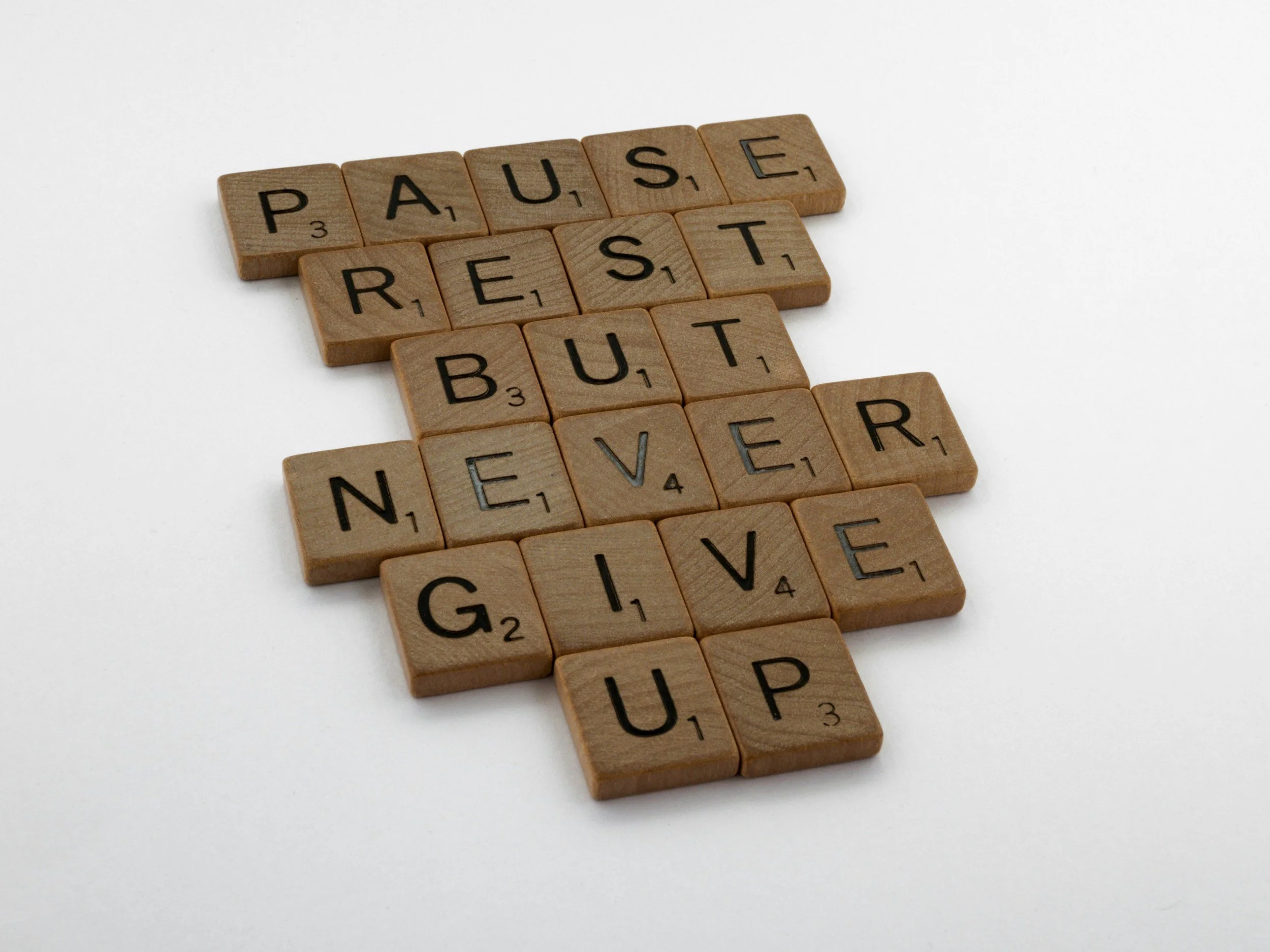
Rest is not the absence of progress; it is an essential part of it. During rest, the body repairs tissues, the mind consolidates learning, and emotions are processed at a deeper level. Just as muscles need recovery after exercise, the nervous system needs calm after periods of stress. Without rest, growth and healing remain incomplete.
Practical Ways to Cultivate Rest
Mindful pauses: Take short breaks throughout the day to breathe deeply and check in with the body.
Gentle movement: Engage in restorative activities such as stretching, yoga, or walking in nature.
Digital boundaries: Limit exposure to screens and constant notifications to reduce overstimulation.
Intentional stillness: Practice meditation, journaling, or quiet reflection to reconnect with inner calm.
Sleep hygiene: Prioritize consistent, quality sleep as a foundation for physical and emotional recovery.
Reframing Rest as Productive
Rest is not wasted time—it is an investment in resilience, clarity, and long-term well-being. By allowing space for recovery, the mind and body can process experiences more effectively, leading to deeper insight and sustainable growth. Healing from long-term wounds requires both effort and ease, action and stillness.
Conclusion
Rest and recovery are not luxuries but necessities. For those accustomed to constant motion, learning to slow down can feel challenging, yet it is one of the most powerful steps toward healing. Embracing rest allows the nervous system to recalibrate, the body to heal, and the mind to find peace. True progress happens not only in doing but also in being.